





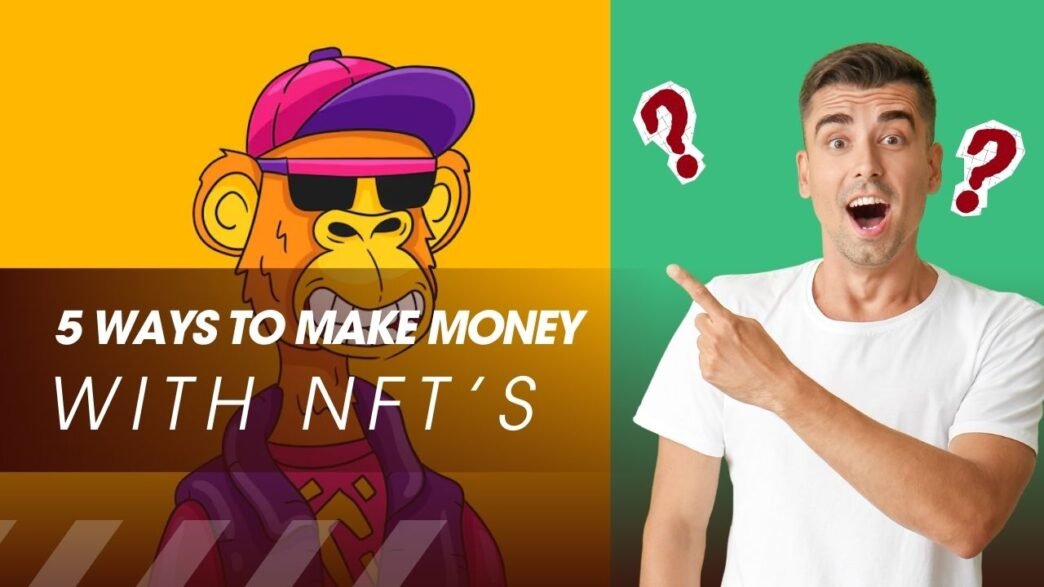
NFTs (Non-Fungible Tokens) have transformed the digital economy by allowing creators, investors, and everyday users to own, trade, and monetize digital assets on the blockchain. While headlines often focus on million-dollar JPEGs, the reality is far broader — NFTs power art, gaming, music, memberships, real estate rights, and entire online economies.
If you’re wondering how people actually make money from NFTs, this guide breaks it down clearly and practically.
Below are 5 proven ways of making money from NFTs, explained step-by-step, including risks, tools, and real-world strategies — whether you’re a creator, investor, or entrepreneur.
What Are NFTs (Quick Recap)

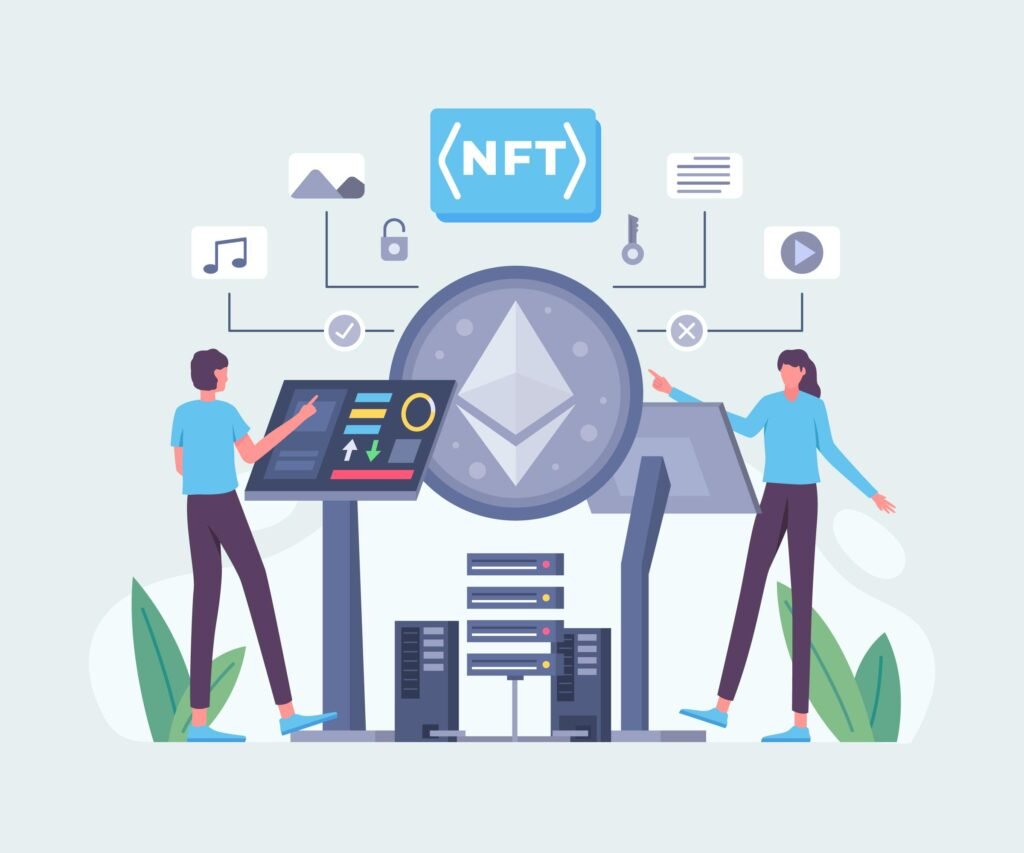
NFTs are unique digital tokens stored on a blockchain (usually Ethereum, Polygon, or Solana). Unlike cryptocurrencies such as Bitcoin or Ethereum, NFTs are not interchangeable — each one has unique data and ownership.
NFTs can represent:
- Digital art & illustrations
- Music & videos
- In-game items & characters
- Virtual land & assets
- Membership passes
- Domain names
- Real-world asset ownership

Important things that you need to know about NFTs
Even though NFTs have taken the online world by storm and people benefit from them, there are a few points that people still miss when engaging in trade.
- NFTs are just but a bundle of data stored in an online ledger known as blockchain. As such, they can be a representation of any piece of digital art, music album, video, property rights, just to mention but a few.
- Each Non-fungible token can represent an asset with a different value, and that is exactly why you cannot exchange NFTs and still get an item that is of the same value as the one you have exchanged.
NFTs are not a form of cryptocurrency but rather cryptographic tokens.
1. Creating & Selling NFTs (For Artists, Creators & Brands)

You create a digital asset, convert it into an NFT (called minting), and sell it on an NFT marketplace.
This is one of the most sustainable NFT income models, especially for:
- Digital artists
- Designers
- Photographers
- Musicians
- Writers
- Influencers & brands
What Can You Create?
- Digital artwork & illustrations
- AI-generated art
- Photography collections
- Music tracks or albums
- Short videos & animations
- E-books or exclusive content
- Membership passes or access tokens
How the Money Is Made
You earn money in two ways:
- Primary sale – When someone buys your NFT
- Royalties – You earn 5–10% every time your NFT is resold
Example:
If you sell an NFT for $100 and set a 10% royalty, you earn $10 every time it’s resold, forever.
Tools You’ll Need
- Crypto wallet (MetaMask, Phantom)
- NFT marketplace (OpenSea, Magic Eden, Rarible)
- Blockchain (Ethereum, Polygon, Solana)
Pro Tips
- Create collections, not one-off NFTs
- Add utility (access, perks, private groups)
- Build an audience on Twitter, Instagram, Discord
- Use low-fee chains like Polygon to start
Risks
- Market is competitive
- No guaranteed sales
- Requires marketing & consistency
Best for: Creators, designers, influencers, digital entrepreneurs
2. Play-to-Earn & NFT Gaming
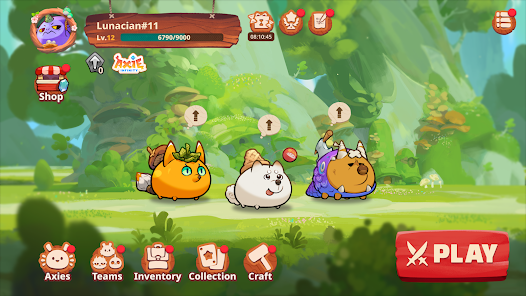
NFTs have not only influenced the world of art but have also impacted the gaming world. The availability of play-to-earn NFT games has made it easy for people to benefit from this new trend. NFT technology gives users full control over different assets in the available games.
In addition to this, the items in the games are unique and are also anchored to valuable digital assets that users can benefit from when making use of NFTs.
Depending on the value of the game your game assets, you can sell to potential buyers to earn real money. Nonetheless, you can only benefit from this by choosing high-value games.
What Is Play-to-Earn (P2E)?
NFT games reward players with:
- Crypto tokens
- NFT items
- Characters or land that can be sold
Instead of paying to play, you earn while playing.
How Money Is Made
- Selling in-game NFTs
- Renting NFT characters or land
- Earning tokens and cashing out
- Trading rare items
Common NFT Gaming Assets
- Characters
- Weapons
- Skins
- Virtual land
- Pets & vehicles
Income Example
- Buy NFT character for $100
- Use it to earn tokens
- Sell tokens monthly for $50–$150
- Sell the NFT later for profit
Key Considerations
- Initial investment required
- Time commitment
- Game economy sustainability
- Token inflation risk
Why NFT Gaming Is Powerful?
- Combines fun + income
- Huge growth potential
- Popular in Asia & emerging markets
- Metaverse expansion
Best for: Gamers, students, side-hustlers
3. NFT Flipping (Buying Low/ Selling High)
Aside from the games, NFT Flipping is also another way through which you can earn good money.
NFT flipping is similar to stock or real-estate flipping:
- Buy NFTs at a low price
- Sell them later at a higher price
This method is popular among traders and investors.
How Flippers Make Money
Profit = Selling Price – Buying Price – Gas Fees
Example:
- Buy NFT at $200
- Sell at $500
- Profit ≈ $300 (minus fees)
What to Look For Before Buying
- Strong community (Discord, Twitter/X engagement)
- Known founders or artists
- Clear roadmap
- Low floor price with demand
- Limited supply
- Unique traits or rarity
Tools for NFT Flipping
- NFT marketplaces
- Analytics tools (floor price, volume)
- Discord & Twitter monitoring
- Wallet tracking tools
Strategies That Work
- Mint early (whitelist access)
- Buy during market dips
- Flip hype-driven collections quickly
- Hold blue-chip NFTs long-term
Risks
- Prices can crash fast
- Hype-based projects may rug pull
- High gas fees on Ethereum
- Requires active monitoring
Best for: Traders, crypto investors, high-risk takers
However, before you start selling or buying, ensure that you know your niche. This will not only help you know the current market prices but will also aid in the decision-making process.
As such, you should conduct thorough research on the assets that you wish to trade before buying or selling. The only way to make profit is by buying assets from other traders at a low price and later selling them at a higher price.
The good thing about the NFT flipping is that the market is still not as competitive, so you can easily make large profits.
4. Earning Passive Income Through NFT Royalties & Renting
Yes — NFTs aren’t just for trading. Some models generate ongoing income.
While most people think NFTs are only about buying and selling for quick profits, the real long-term money lies in passive income. Imagine owning a digital asset that continues to earn for you every time it’s resold, rented, or used—even while you sleep.
That’s exactly what NFT royalties, renting, and staking make possible. Unlike traditional investments that rely on banks, tenants, or intermediaries, NFTs allow creators and holders to earn automatically through smart contracts, with payments sent directly to their wallets.
Whether you’re an artist earning lifetime royalties, a gamer renting out valuable in-game assets, or an investor staking NFTs for recurring rewards, this model turns NFTs from speculative assets into income-generating digital property.
Method 1: Royalties (For Creators)
As explained earlier, creators earn a percentage every time their NFT is resold.
This creates:
- Long-term passive income
- Scalable earnings
- No extra work after creation
Method 2: NFT Renting
Some NFTs can be rented out, including:
- Game characters
- Virtual land
- Metaverse assets
- Membership NFTs
You retain ownership while earning rental income.
Method 3: NFT Staking
Some projects allow you to:
- Lock NFTs
- Earn tokens or rewards
- Compound earnings over time
Why This Model Is Powerful
- Lower effort after setup
- Recurring income
- Long-term wealth building
Risks
- Project sustainability
- Rental demand fluctuations
- Smart contract risks
Best for: Long-term thinkers, creators, passive income seekers
5. Building Businesses & Brands Using NFTs
The biggest misconception about NFTs is that they are just digital collectibles. In reality, the most powerful use of NFTs is as a business and brand-building tool.
Forward-thinking creators and entrepreneurs are no longer chasing short-term flips — they are using NFTs to replace subscriptions, build loyal communities, and create digital products with real-world value.
An NFT can act as a membership pass, a lifetime course license, a VIP event ticket, or even a customer loyalty token — all secured on the blockchain.
Instead of relying on platforms, payment gateways, or recurring billing systems, NFTs allow brands to sell ownership, access, and exclusivity directly to their audience. This shift turns customers into stakeholders and transforms one-time buyers into long-term community members.
NFTs as Business Tools
The smartest money in NFTs isn’t flipping — it’s building ecosystems.
NFTs can represent:
- Membership access
- Event tickets
- Courses
- Loyalty programs
- Exclusive content
How Businesses Make Money
- Sell NFT passes instead of subscriptions
- Provide lifetime access
- Upsell services & products
- Create resale value for users
Example Models
- NFT = lifetime access to a private community
- NFT = course + future updates
- NFT = VIP access to events
- NFT = brand loyalty token
Why NFTs Beat Subscriptions
- No monthly churn
- One-time sale
- Customers can resell
- Stronger brand loyalty
Who Should Use This?
- Coaches
- Educators
- Media companies
- Creators
- Online communities
Best for: Entrepreneurs, brands, media founders
Final Thoughts: Is NFT Still Worth It?
Yes — but only if you approach it with the right mindset and strategy. NFTs are no longer just about flashy digital art or short-term hype; they are fundamentally about ownership, real utility, strong communities, and scalable digital business models.
The people making consistent money in the NFT space today are not gamblers chasing trends, but creators who are building recognizable brands, entrepreneurs who use NFTs as practical tools for memberships, access, and products, and investors who focus on long-term value rather than quick flips.
For beginners, the smartest path is to start small with low-cost minting, learn the ecosystem by creating or playing, prioritize community-building before selling, and stay away from hype-only projects with no real utility. In the end, NFTs don’t reward luck — they reward creativity, patience, and a well-thought-out strategy.